

The New Social Environment of Gaming – The Ways That Gaming Has Changed the Way We Interconnect
 581
581
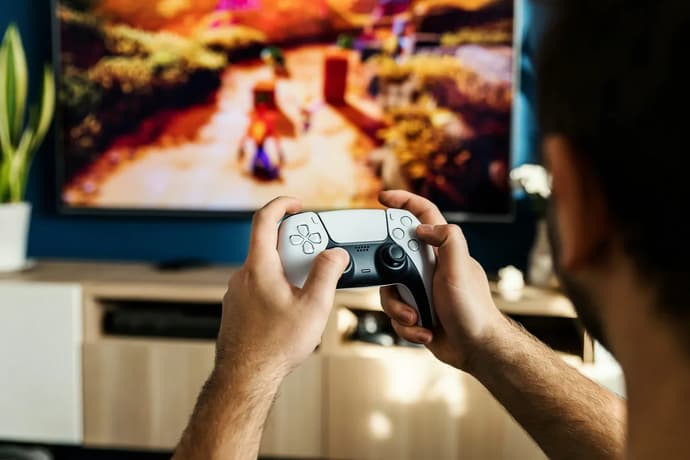
Gaming used to be an activity that allowed people to connect with each other through their computers alone. Nowadays, it is primarily a social network where gamers connect with their peers through competitive playing, celebrating, and building long-term relationships. Rather than having an individual hobby of playing games on a computer, today’s gaming communities are composed of a variety of communities made up of other players, as well as those who share their own pictures and experiences of the gaming world together. Not only do players define their personal identity through skills and achievements, but also through the way in which they interact with other players. In this way, we see that when we engage in gaming culture and community, our actions toward one another in the real world reflect our actions toward one another online, as we can connect at will, share emotions at will, and choose whether or not we wish to express our true identity or remain anonymous from other players.
How Games Create New Forms of Communication
Within a game, players communicate based on specific criteria. Each player develops the capability to articulate characteristics and feelings about themselves via their own avatar; from expressing themselves in their voice chat, and gestures/emotes, and by their in-game behaviours. Each player communicates through the interface of the game but with a unique characterisation that combines the emotional freedom they experience through interaction with the gaming environment and the physical distance that provides security for them when they don’t want others to see them as vulnerable. By allowing players to express more freely in-game, where previously they would never share anything about themselves with another person, players can show greater levels of authenticity than they would in face-to-face situations. In addition to allowing for greater authenticity in-game, the virtual environment can assist players in overcoming social anxiety (both within the gaming world and in the real world). Hence the game can help support the development of attributes such as confidence, humour, leadership, and empathy.
Social Bonds Formed on Common Ground
Through playing video games together, people develop friendships based on common experiences. Video games provide an outlet for sharing your experiences with other players through your character's actions, through gameplay, and through conversation (chatting). The emotional highs and lows of completing a difficult level together, winning a match together, and experiencing an unexpected plot twist are emotional bonding experiences that connect you to someone more than any other time by being together during intense excitement or pressure. This is why many friendships that grow through gaming can be surprisingly strong. When you fight alongside someone in a virtual game, you are building trust in that person through shared experiences, even before you have met face-to-face. As you build a relationship with this person, you will begin to connect on more personal levels by connecting through social media, by communicating via voice calls, and eventually meeting face-to-face when the time is right.
The Role of Emotional Stimulation in Online Socialization
Throughout every gaming experience excitement, fear, triumph, frustration, curiosity and anticipation are present. All of these elements impact how a player relates to another player during their time playing the game together.
Through emotion-driven experiences, players build a strong foundation for their connection with one another. Using platforms that analyze player reactions similar to the way that Aboutslots researched how various types of emotion triggers affect the way a person reacts when playing games, analysts developed key findings related to how emotional highs and lows (i.e., ups and downs) experienced by the players will provide additional opportunities for stronger social bonding amongst the players who have experienced those emotions together. Going a step further, researchers from various studies referencing aboutslots have concluded that these emotional experiences represent true psychological patterns. When shared between players, they create an even higher sense of unity amongst the players who experience these highs/lows together.
Online Identity and the Freedom to Be Yourself
With virtual identities forming through games, it allows players to create and grow beyond the constraints of their real-world persona. It allows a shy individual to become an outgoing person and take on a role that they may never have been comfortable doing in the physical realm. By having virtual identities, users are given the opportunity to develop their versions of who they are and what they want to do. Virtual identity can create a safe place for self-expression and confidence to grow socially. Many times, this digital identity eventually plays a role in the real person and helps individuals develop skills socially and also overcome personal insecurities while finding their place in society that they may never have found otherwise.
Communities, Clans, and Long-Term Social Structures
In general, gaming communities have been shown to develop a much more organized and long-term social structure than many of the hobby communities that exist outside of the gaming world. Many gaming communities create guilds, clans, alliances, teams, and role-playing groups, all of which act as small societies. They all create their own hierarchy, set of internal rules and traditions, and a cultural norm for each micro-society. As a result, these small societies teach players responsibility, teamwork, leadership, conflict resolution, compromise, etc. A well-run guild may resemble a small community, comprised of multiple people from multiple backgrounds, working towards common goals. Through social interaction, people will develop positive social habits and emotional resilience, showing that gaming is more than just an entertainment industry; it is also a very real, practical training method for teaching and developing social skills.
How Online Games Break Cultural and Geographical Barriers
Gaming has an extraordinary capacity to unite individuals from around the globe, showing us that cultural distinctions that would affect someone's life outside the game are no longer of concern when they encounter the same adversity, experience similar unexpected laughter, or rejoice in their mutual accomplishments while playing together. In essence, games serve as modern-day universal communication about someone's heritage. By participating together in the same video games over and over again, both gamers learn more about one another's culture than they would have learned in formal educational settings. By creating friendships from across the oceans and through the time zones, it shows us that the virtual connection can hold more significance and sincerity than many face-to-face social exchanges.
The Dark Side: Conflict, Toxicity, and Emotional Risks
The social environment is inherently risky due to the excessive anonymity of the internet. While gaming provides a unique medium for expression, there are many instances where users have displayed toxic behaviour such as harassment, emotional manipulation, and general conflict. Anonymity allows users to express their aggressive feelings in the virtual world, and, as such, many gamers will resort to using gaming as an emotional battle ground. At the same time, this negative behaviour reveals some of the ways in which our psychological makeup is influenced. Gamers will recognise unhealthy behaviours and boundaries and learn how to advocate for themselves and deal with conflict in a healthy manner. Furthermore, these gaming communities are actually able to develop their own systems of self regulation, where those players who provide positive support are able to counteract the negative behaviours exhibited by toxic players. As a result, gaming communities are demonstrating the same progression as real world communities have done in developing systems that protect their members while simultaneously giving their members freedom.
Why Social Interaction Makes Games Truly Alive
The social aspect of gaming gives a game its significance when played. Players of games bring a sense of life to the inanimate environment as it is through the combined emotions, memories, experiences, and creativity of all people who are playing together that a virtual experience becomes a real event in every sense of the word. From the viewpoints of the players involved, the game now becomes not just a one-player game but a collaborative emotional canvas continually being updated with the stories and events of each player's life. Therefore the social aspects will ultimately live on long after the end of any single game's storyline or design. A player eventually may stop playing a given video game; however, it is extremely unlikely that any of those people who had played it together will ever forget the friendships they made in the course of their time together, nor the teams they formed, nor the countless hours they spent planning their next moves strategy or playing till sunrise and sharing laughter.
The Future of Social Gaming
The social aspect of video game culture is continually changing. As technology advances, the potential for virtual reality to contribute to deeper immersion and artificial intelligence to produce increased interaction is increasing. Additionally, cross-platform systems are making it easier for gamers to come together than ever before. Video games are slowly becoming a new type of communal fabric — a place to meet, communicate, create, and connect. Therefore, future generations are likely to see video games as an additional form of social life rather than just something they play from time to time; through digital experiences, you will establish friendships, develop your identity, and build relationships with others.

Kateryna Prykhodko ist eine kreative Autorin und zuverlässige Mitarbeiterin bei EGamersWorld, die für ihre fesselnden Inhalte und ihre Liebe zum Detail bekannt ist. Sie kombiniert Storytelling mit klarer und durchdachter Kommunikation und spielt eine große Rolle sowohl bei der redaktionellen Arbeit der Plattform als auch bei der Interaktion hinter den Kulissen.

 Crimson Desert Dimensional Labyrinth Abyss Puzzle - Vollständiger Pfad und LösungDas Rätsel des Dimensionslabyrinths Abyss in der Karminwüste erfordert eine Kraftpalme, Axiomkerne und vier Silberkreise, um es zu lösen.
 vitaliiD
 Wie man Lioncrest Manor betritt - Tresorrätsel-Lösung für Crimson DesertFür das Lioncrest Manor in Crimson Desert muss man durch ein Fenster im zweiten Stock klettern - so kommt man hinein.vitaliiD
 Alles, was wir über Samson wissen: Eine Tyndalston-GeschichteAlles, was wir über Samson wissen: A Tyndalston Story - Veröffentlichungsdatum, Gameplay, Story und Features von Liquid Swords' intensivem Actionspiel, das in einer rauen, unbarmherzigen Stadt spielt.
 fauesde
 Wie man alle Sanctum-Rätsel in Crimson Desert löstEntdecke, wie du alle Sanctum-Rätsel in Crimson Desert lösen kannst - Vollständiger Leitfaden zu Sanctums, Kernmechaniken und Belohnungen.
 Dima Ostapchuk